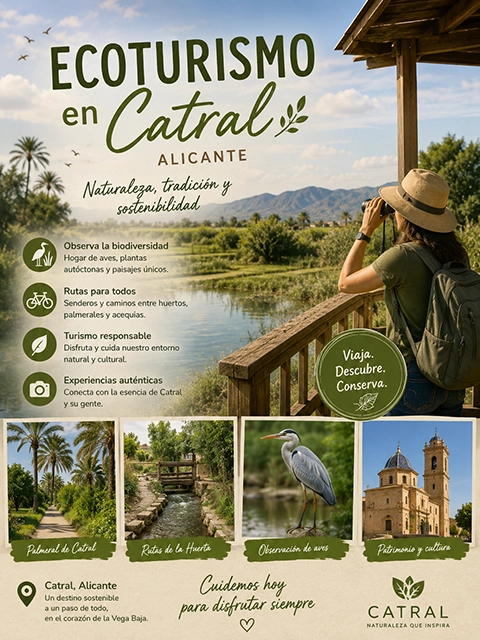
Ecotourism is a way of travelling that places nature, local culture and environmental responsibility at the centre of the experience. It is not only about visiting a green place or sleeping in attractive accommodation surrounded by plants. Its deeper meaning is to travel with more attention: to understand where we are, reduce the impact of our stay and support projects that respect the territory.
For many years, holidays were often measured by the number of places visited, photographs taken or services accumulated. Ecotourism suggests a different rhythm. It invites travellers to slow down, observe the landscape, choose better integrated accommodation, consume more consciously and allow the destination to have its own voice. Behind that shift there is a simple question: how can I enjoy a place without wearing it down?
In Alicante, this conversation makes particular sense. The province brings together coast, farmland, villages, natural areas, Mediterranean light and a climate that allows travel for much of the year. But precisely because it is so attractive, it also needs more balanced tourism models. Ecotourism aims to ensure that visitors do not erase the identity of a destination, but value it.
Eco-minded travel does not mean giving up comfort; it means choosing experiences where comfort is not separated from respect for the environment.
The principles of ecotourism
Ecotourism is based on several clear principles. The first is to minimise environmental impact. This may include compact accommodation, energy efficiency, waste reduction, responsible water use, landscape integration and careful use of space. Sustainability is not always about large visible gestures; very often it lives in quiet, consistent decisions.
The second principle is connection with nature. The traveller does not arrive simply to occupy a room, but to experience a setting. Paths, gardens, sounds, light, vegetation and architecture all become part of the memory. When accommodation is well considered, it does not compete with the landscape: it accompanies it.
The third principle is local benefit. A more sustainable trip also looks at the people who live in the destination. Eating locally, discovering nearby businesses, visiting villages calmly and respecting local rhythms helps tourism create value. Ecotourism should not be an isolated bubble, but a doorway into the culture of a place.
Ecotourism and sustainable accommodation
One of the most important decisions in any getaway is where to sleep. Accommodation sets the tone of the trip: it can be a simple place to pass through or an essential part of the experience. In ecotourism, sustainable accommodation tries to answer one central idea: to rest well without turning away from the environment.
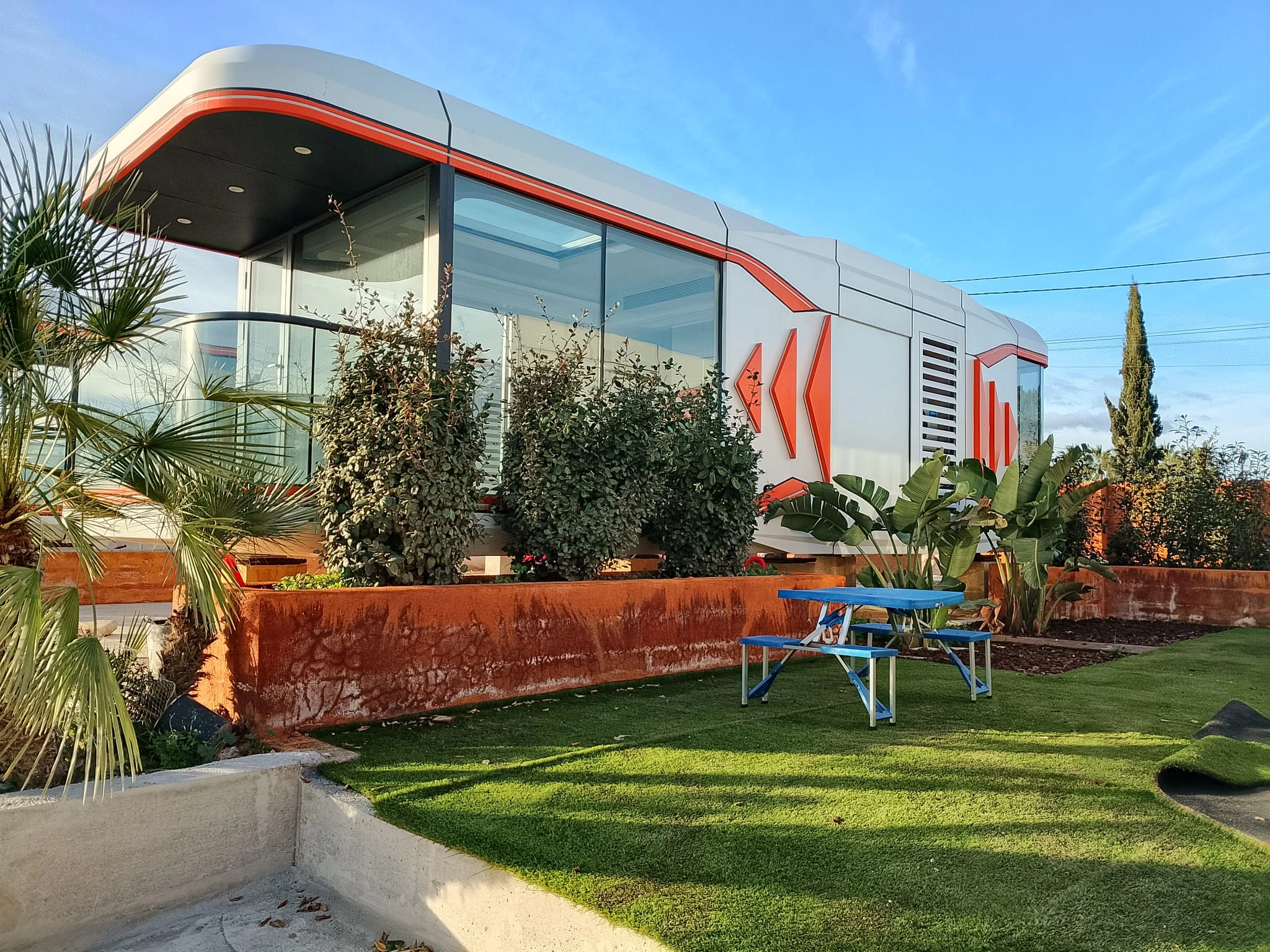
Kambalache EcoResort Catral was born from that sensitivity. Its futuristic capsules are designed to create surprise and comfort, but also a visual relationship with the gardens and Mediterranean light. The aim is not to create a cold or purely technological experience, but to bring together design, nature and calm. The architecture speaks of the future; the surroundings remind us that this future must respect the land.
This type of accommodation is especially attractive for travellers looking for something different. Couples planning a special escape, people who value aesthetics, visitors who want to discover Alicante from another angle and travellers looking for a story with identity can find in the capsules a different way of inhabiting rest.
Why ecotourism feels meaningful
Ecotourism works when it does not remain a label. It feels meaningful because it connects with a very human need: to feel that a journey has purpose. We do not travel only to move from one point to another; we travel to change rhythm, breathe differently, look with new eyes and return with a renewed feeling.
In a setting like Catral, that emotion can appear in simple details: a walk through vegetation, the contrast between a futuristic capsule and a Mediterranean garden, an unhurried morning, a conversation about the project or a single image that sums up the stay. Sustainable does not have to mean austere; it can be elegant, memorable and deeply enjoyable.
Ecotourism also educates the way we look. When someone understands why landscape matters, why choosing better makes a difference or why an accommodation project tries to integrate into its environment, they begin to travel with another kind of judgement. That is one of its greatest strengths: it changes the visitor without imposing a rigid lesson.
Ecotourism in Alicante: a real opportunity
Alicante has all the ingredients for ecotourism to grow with personality. There is coast, inland scenery, villages, gastronomy, climate, heritage and nearby natural areas. The key, however, is to create proposals with identity, not to repeat empty formulas. Today’s traveller can recognise when a project has soul and when it is merely using attractive words.
Kambalache EcoResort Catral wants to be part of that new conversation: original accommodation, futuristic capsules, Mediterranean gardens and an experience that invites conscious rest. It is not about promising abstract disconnection, but about offering a specific place where architecture, landscape and hospitality can meet.
If you are thinking about an ecotourism getaway in Alicante, a good starting point is to ask yourself three questions: what kind of setting do I want to experience, what impact do I want to create and what memory do I want to take home? The answer may bring you closer to more honest, calmer and more planet-conscious experiences.